Exploring the Benefits of Higher Education: Choosing the Right Path
This article examines the various benefits of pursuing higher education and offers insights into how to choose the right educational path for personal and professional growth.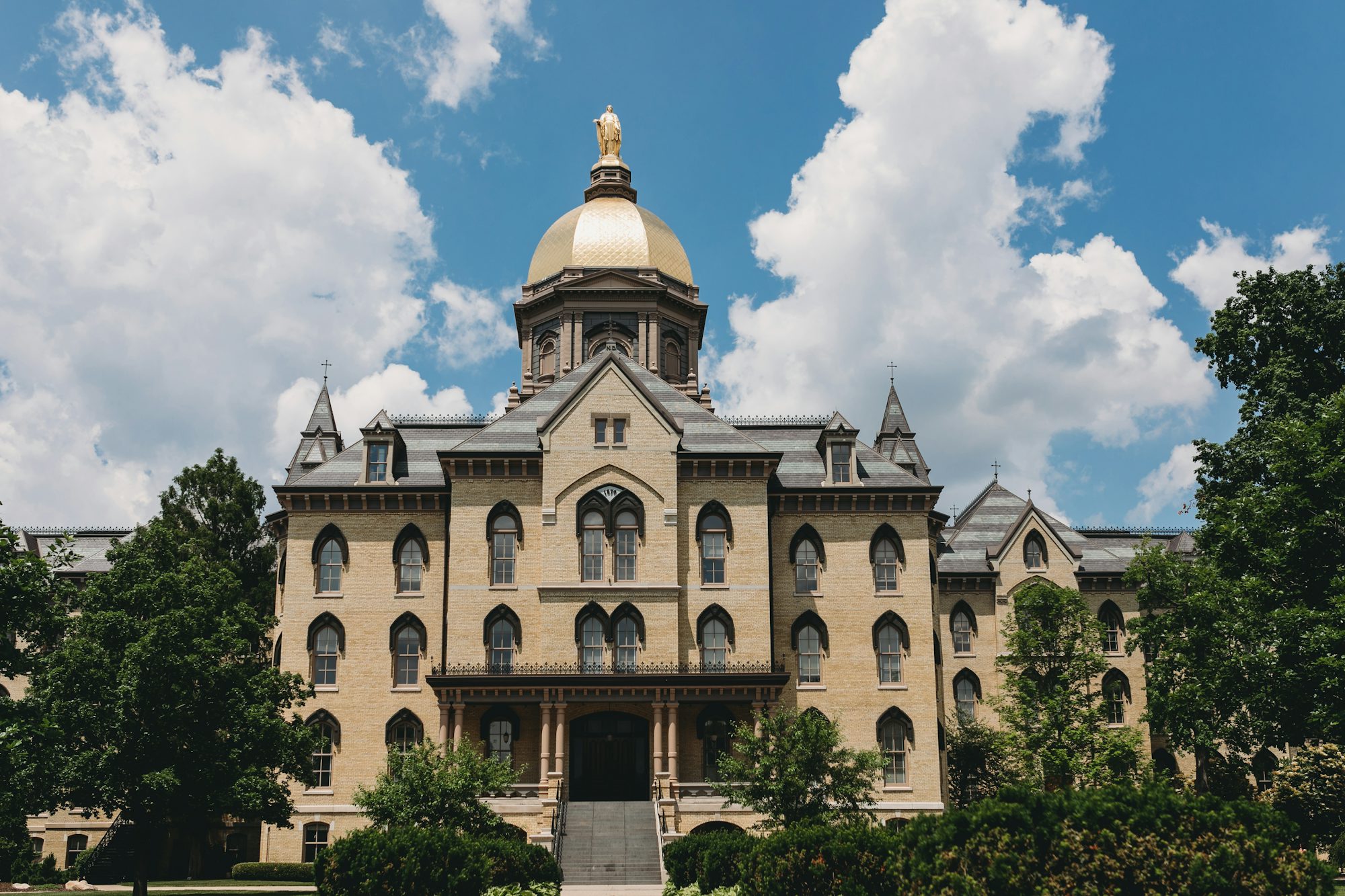
One of the most significant advantages of pursuing higher education is the acquisition of specialized knowledge. Colleges and universities offer diverse programs that allow students to delve deeply into subjects that interest them. This level of focus enables students to develop expertise that is often sought after in the job market. Whether it’s engineering, fine arts, or business administration, higher education equips individuals with the skills necessary to excel in their chosen fields.
Moreover, higher education serves as a powerful catalyst for personal growth. The college experience is not solely about academic learning; it also provides opportunities for self-discovery and personal development. Students encounter diverse perspectives, challenge their beliefs, and engage in critical discussions, all of which contribute to their maturity and adaptability. This personal growth is invaluable, as it prepares individuals to navigate complex social and professional environments.
Additionally, attending college fosters essential soft skills that are crucial in the workplace. Communication, teamwork, and problem-solving abilities are often honed through group projects, presentations, and collaborative activities. These skills are not only vital for career success but also enrich personal relationships and enhance one's ability to contribute to society.
Networking is another critical aspect of higher education that can significantly impact a student’s future. Colleges and universities are melting pots of talent and ambition, providing students with ample opportunities to connect with peers, faculty, and industry professionals. These connections can lead to internships, job offers, and mentorship opportunities that may not be available otherwise. The relationships built during this time often extend well beyond graduation, forming a professional network that can be instrumental in one’s career.
The role of higher education in economic advancement cannot be overstated. Individuals with higher degrees typically have access to better job prospects and higher earning potential. According to various studies, college graduates tend to earn significantly more over their lifetimes compared to those without a degree. This financial advantage is a compelling reason for many students to pursue higher education.
However, the financial aspect of higher education can also be daunting. It is essential for prospective students to consider the cost of tuition and the potential return on investment. Many institutions offer financial aid, scholarships, and work-study programs to alleviate the financial burden. Understanding these options can help students make informed decisions about their education and future.
Choosing the right type of college is crucial in this journey. Community colleges provide an accessible and affordable entry point into higher education, often focusing on practical skills and vocational training. For those unsure of their career path, community colleges allow students to explore various fields before committing to a four-year institution. This flexibility can lead to significant cost savings and a more focused educational experience.
On the other hand, liberal arts colleges emphasize a broad-based education, encouraging students to develop critical thinking and communication skills across multiple disciplines. This holistic approach can foster creativity and adaptability, preparing students for diverse career paths in an ever-changing job market. The close-knit community typical of liberal arts colleges often enhances the educational experience, allowing for personalized attention from faculty and strong peer connections.
Technical and vocational colleges focus on specialized training in fields such as healthcare, information technology, and the arts. These institutions often offer hands-on experience and direct pathways to employment, making them an excellent choice for students eager to enter the workforce quickly. The emphasis on practical skills ensures that graduates are equipped to meet the demands of their chosen industries.
For students passionate about creative pursuits, specialized art and design colleges provide a nurturing environment to hone their talents. These institutions often offer cutting-edge programs that emphasize both artistic skill and technical knowledge. The collaborative atmosphere encourages innovation and helps students build professional portfolios, showcasing their work to potential employers.
Historically Black Colleges and Universities (HBCUs) play a significant role in providing educational opportunities for underrepresented communities. These institutions emphasize cultural heritage and community, fostering a supportive environment that empowers students. HBCUs often offer diverse academic programs and robust support services, contributing to high graduation rates and successful career placements for their graduates.
Religious colleges and universities provide a unique educational experience by integrating faith-based perspectives into their curricula. Students at these institutions often engage in community service and social justice initiatives, aligning their education with their values. This holistic approach to education fosters a sense of purpose and encourages students to make meaningful contributions to society.
Public and private universities each offer distinct advantages. Public universities typically provide a wide range of programs and extracurricular activities, often at a lower cost for in-state students. In contrast, private universities may offer smaller class sizes and more personalized attention from faculty. Understanding these differences can help students identify the best fit for their educational needs.
The rise of online education has further expanded access to higher learning. Online colleges and universities provide flexibility for students who may be balancing work and family commitments. This mode of education allows students to learn at their own pace, access a variety of programs, and engage with a diverse student body from around the world. However, online learners must be self-motivated and proactive in seeking support and resources to succeed in this format.
Military service academies offer a unique blend of education and training for those interested in serving their country. These institutions prepare students for leadership roles in the armed forces while providing a rigorous academic curriculum. The discipline and skills developed in military academies equip graduates for success both in military and civilian careers.
In conclusion, the benefits of higher education are vast and multifaceted. From acquiring specialized knowledge and developing critical skills to building valuable networks and achieving economic advancement, the impact of a college education extends far beyond the classroom. As students weigh their options, understanding the diverse pathways available can empower them to make informed decisions that align with their personal and professional goals. The journey of higher education is not just about earning a degree; it is about transforming lives and shaping the future.